
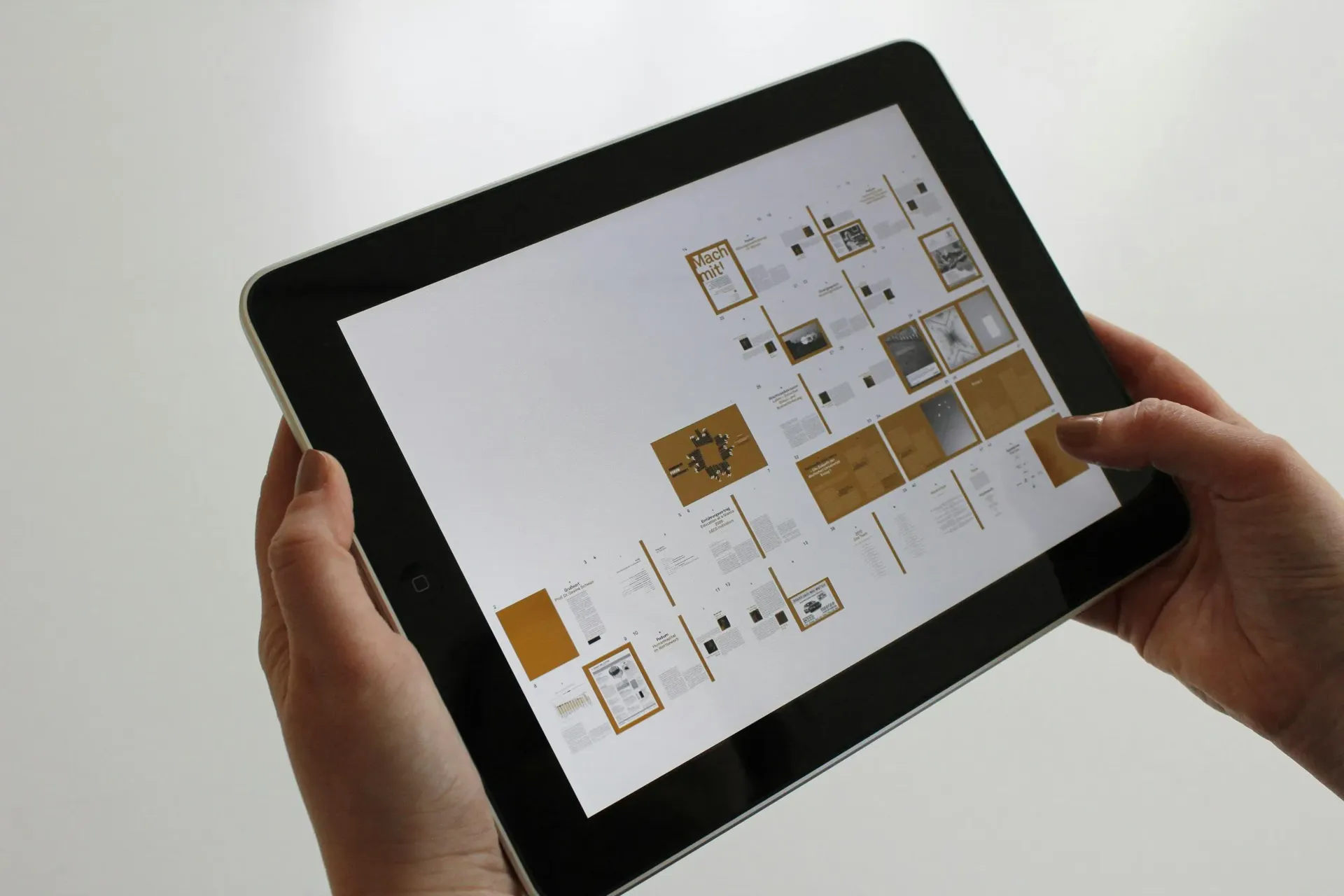
Good design increases brand credibility, enhances user experience, and supports business goals.
This subject should be approached as a connected system: user experience, technical quality, and commercial performance reinforce one another. The guide explains the main decisions and practical steps required to create a solution that is not only functional, but also maintainable over time. Planning should begin with realistic user situations and clearly defined business objectives.
1. Colors and Typography
Brand colors should harmonize and text must be readable.
1. Colors and Typography should not be treated as an isolated task. It is a core part of the wider web design basics: how to create a professional brand identity. Decisions should reflect the target audience, commercial objective, available resources, and operational constraints. A technically functional solution is not automatically usable or cost-effective. Teams must also consider how easily it can be managed, how it fits existing workflows, and what it will cost to operate and improve over time.
In practice, the best starting point is to document the current situation and establish clear priorities. Not every improvement needs to be delivered at once. Address the highest-impact problems first, measure the outcome, and use the evidence to plan the next iteration. This reduces unnecessary work and prevents the project from spending most of its effort on impressive details that contribute little to the actual user or business goal.
Practical checkpoints
- Define the problem and the intended outcome.
- Test with real content on mobile and desktop devices.
- Set measurable criteria and review the result after release.
2. Responsive Layouts
Ensure mobile-friendly and accessible on all devices.
2. Responsive Layouts should not be treated as an isolated task. It is a core part of the wider web design basics: how to create a professional brand identity. Decisions should reflect the target audience, commercial objective, available resources, and operational constraints. A technically functional solution is not automatically usable or cost-effective. Teams must also consider how easily it can be managed, how it fits existing workflows, and what it will cost to operate and improve over time.
In practice, the best starting point is to document the current situation and establish clear priorities. Not every improvement needs to be delivered at once. Address the highest-impact problems first, measure the outcome, and use the evidence to plan the next iteration. This reduces unnecessary work and prevents the project from spending most of its effort on impressive details that contribute little to the actual user or business goal.
Practical checkpoints
- Define the problem and the intended outcome.
- Test with real content on mobile and desktop devices.
- Set measurable criteria and review the result after release.
3. User Experience
Simple navigation, logical layout, and fast interactions.
3. User Experience should not be treated as an isolated task. It is a core part of the wider web design basics: how to create a professional brand identity. Decisions should reflect the target audience, commercial objective, available resources, and operational constraints. A technically functional solution is not automatically usable or cost-effective. Teams must also consider how easily it can be managed, how it fits existing workflows, and what it will cost to operate and improve over time.
In practice, the best starting point is to document the current situation and establish clear priorities. Not every improvement needs to be delivered at once. Address the highest-impact problems first, measure the outcome, and use the evidence to plan the next iteration. This reduces unnecessary work and prevents the project from spending most of its effort on impressive details that contribute little to the actual user or business goal.
Practical checkpoints
- Define the problem and the intended outcome.
- Test with real content on mobile and desktop devices.
- Set measurable criteria and review the result after release.
4. Visuals and Branding
Consistent style, icons, and images that reinforce the brand.
4. Visuals and Branding should not be treated as an isolated task. It is a core part of the wider web design basics: how to create a professional brand identity. Decisions should reflect the target audience, commercial objective, available resources, and operational constraints. A technically functional solution is not automatically usable or cost-effective. Teams must also consider how easily it can be managed, how it fits existing workflows, and what it will cost to operate and improve over time.
In practice, the best starting point is to document the current situation and establish clear priorities. Not every improvement needs to be delivered at once. Address the highest-impact problems first, measure the outcome, and use the evidence to plan the next iteration. This reduces unnecessary work and prevents the project from spending most of its effort on impressive details that contribute little to the actual user or business goal.
Practical checkpoints
- Define the problem and the intended outcome.
- Test with real content on mobile and desktop devices.
- Set measurable criteria and review the result after release.
Planning and objectives
Planning and objectives should not be treated as an isolated task. It is a core part of the wider web design basics: how to create a professional brand identity. Decisions should reflect the target audience, commercial objective, available resources, and operational constraints. A technically functional solution is not automatically usable or cost-effective. Teams must also consider how easily it can be managed, how it fits existing workflows, and what it will cost to operate and improve over time.
In practice, the best starting point is to document the current situation and establish clear priorities. Not every improvement needs to be delivered at once. Address the highest-impact problems first, measure the outcome, and use the evidence to plan the next iteration. This reduces unnecessary work and prevents the project from spending most of its effort on impressive details that contribute little to the actual user or business goal.
Practical checkpoints
- Define the problem and the intended outcome.
- Test with real content on mobile and desktop devices.
- Set measurable criteria and review the result after release.
User needs and content structure
User needs and content structure should not be treated as an isolated task. It is a core part of the wider web design basics: how to create a professional brand identity. Decisions should reflect the target audience, commercial objective, available resources, and operational constraints. A technically functional solution is not automatically usable or cost-effective. Teams must also consider how easily it can be managed, how it fits existing workflows, and what it will cost to operate and improve over time.
In practice, the best starting point is to document the current situation and establish clear priorities. Not every improvement needs to be delivered at once. Address the highest-impact problems first, measure the outcome, and use the evidence to plan the next iteration. This reduces unnecessary work and prevents the project from spending most of its effort on impressive details that contribute little to the actual user or business goal.
Practical checkpoints
- Define the problem and the intended outcome.
- Test with real content on mobile and desktop devices.
- Set measurable criteria and review the result after release.
Technical implementation
Technical implementation should not be treated as an isolated task. It is a core part of the wider web design basics: how to create a professional brand identity. Decisions should reflect the target audience, commercial objective, available resources, and operational constraints. A technically functional solution is not automatically usable or cost-effective. Teams must also consider how easily it can be managed, how it fits existing workflows, and what it will cost to operate and improve over time.
In practice, the best starting point is to document the current situation and establish clear priorities. Not every improvement needs to be delivered at once. Address the highest-impact problems first, measure the outcome, and use the evidence to plan the next iteration. This reduces unnecessary work and prevents the project from spending most of its effort on impressive details that contribute little to the actual user or business goal.
Practical checkpoints
- Define the problem and the intended outcome.
- Test with real content on mobile and desktop devices.
- Set measurable criteria and review the result after release.
Conclusion
Long-term results do not come from one tool or a single configuration change. They come from deliberate planning, consistent implementation, and regular review. Work in manageable stages, record a baseline, and evaluate changes with real data and user feedback. This turns development into measurable value for both visitors and the business.
A strong digital solution solves the right problem reliably, clearly, and sustainably.